2019 Volkswagen Arteon
Recalls, most-reported problems, crash-test ratings, fuel economy and what a 2019 Volkswagen Arteon is worth — from official NHTSA and EPA data. 4 on record.
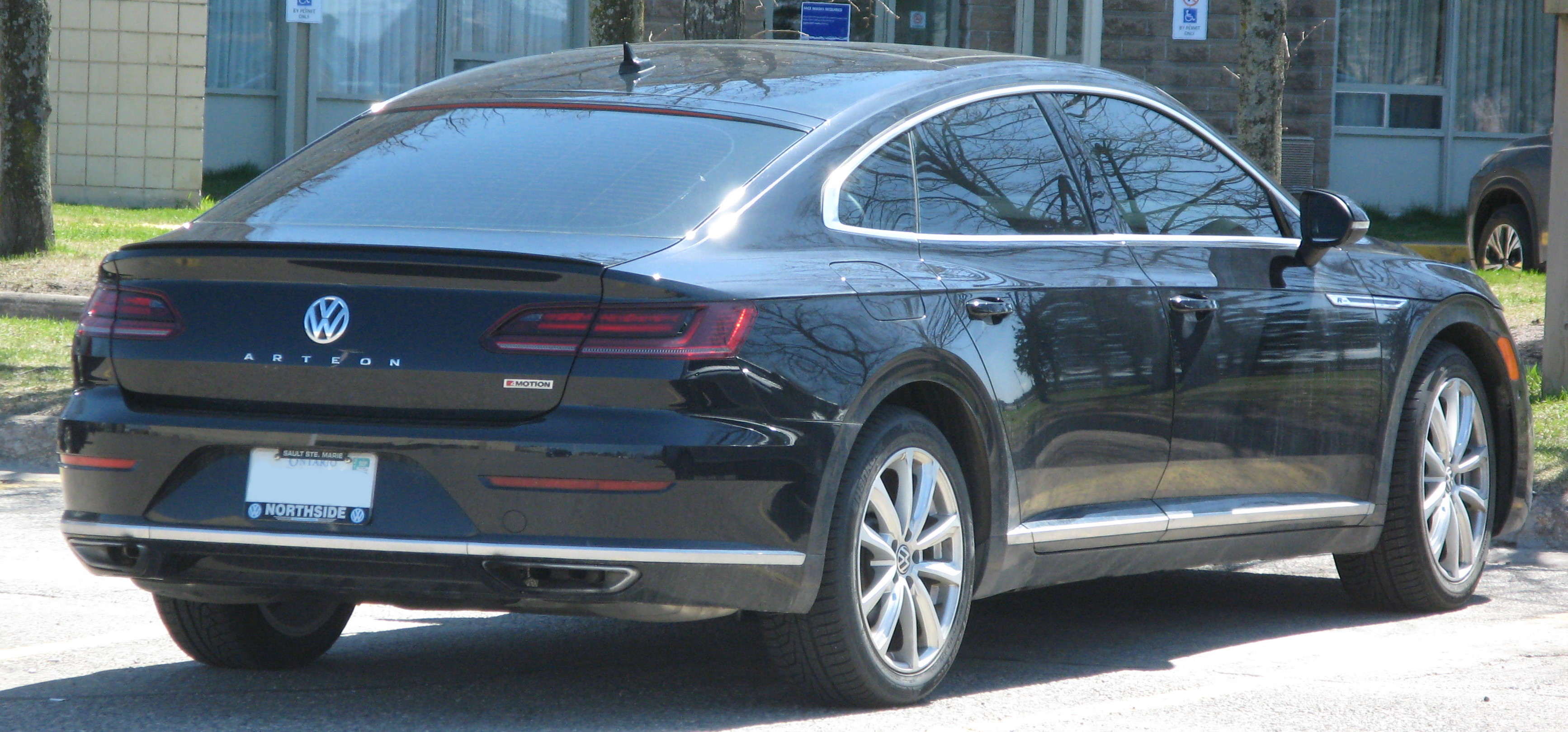
2019 Volkswagen Arteon at a glance
Free: that car's specs and build sheet, model-year recall campaigns and a fair price.
2019 Volkswagen Arteon recalls 1
Volkswagen Group of America, Inc. (Volkswagen) is recalling certain 2019 Arteon vehicles. The electronic brake booster pressure input rod may be installed incorrectly, possibly causing an increased actuating force or a disconnected input rod. As such, these vehicles fail to comply with the requirements of Federal Motor Vehicle Safety Standard (FMVSS) number 135, "Light Vehicle Brake Systems."
Fix: Volkswagen will notify owners, and dealers will inspect and correct the mounting of the pressure rod only or replace the electronic brake booster and mounting of the pressure rod, depending of the inspection results, free of charge. The recall began April 3, 2020. Owners may contact Volkswagen cust…
Source: U.S. NHTSA, checked 7 Oct 2026. A campaign covers the model year; to see whether a particular car still needs the repair, check its VIN on NHTSA.gov or ask a franchised dealer.
2019 Volkswagen Arteon common problems
The most-reported problem areas across all 8 owner complaints filed with NHTSA — and what to check before you buy.
2019 Volkswagen Arteon MPG & running costs
Source: U.S. EPA / DOE fueleconomy.gov.
Estimated 5-year cost to own
A rough guide to what running a 2019 Volkswagen Arteon costs over five years and 75,000 miles.
How this is estimated: fuel is the U.S. EPA annual cost at 15,000 miles a year. There aren't enough comparable listings to estimate depreciation for this model, so it is left out. Not included: insurance, maintenance, repairs, taxes, registration and finance costs. Treat it as a comparison guide, not a quote.
2019 Volkswagen Arteon trims & engines on record
2019 Volkswagen Arteon vehicles on record
2019 Volkswagen Arteon — frequently asked questions
Does the 2019 Volkswagen Arteon have any safety recalls?
NHTSA lists 1 recall campaign for the 2019 Volkswagen Arteon. Whether an individual car still needs a recall repair depends on its VIN — check it on NHTSA.gov or ask a franchised dealer. Recall repairs are free.
What are the most common problems with the 2019 Volkswagen Arteon?
Across all 8 owner complaints filed with NHTSA, the most-reported problem areas are tires, electrical system, air bags.
What gas mileage does the 2019 Volkswagen Arteon get?
The 2019 Volkswagen Arteon has a U.S. EPA estimate of 25 mpg combined (22 city / 31 highway).
Sources: NHTSA (recalls, complaints, crash tests), U.S. EPA (fuel economy). Vehicle data only — CarLogs never shows owner information.